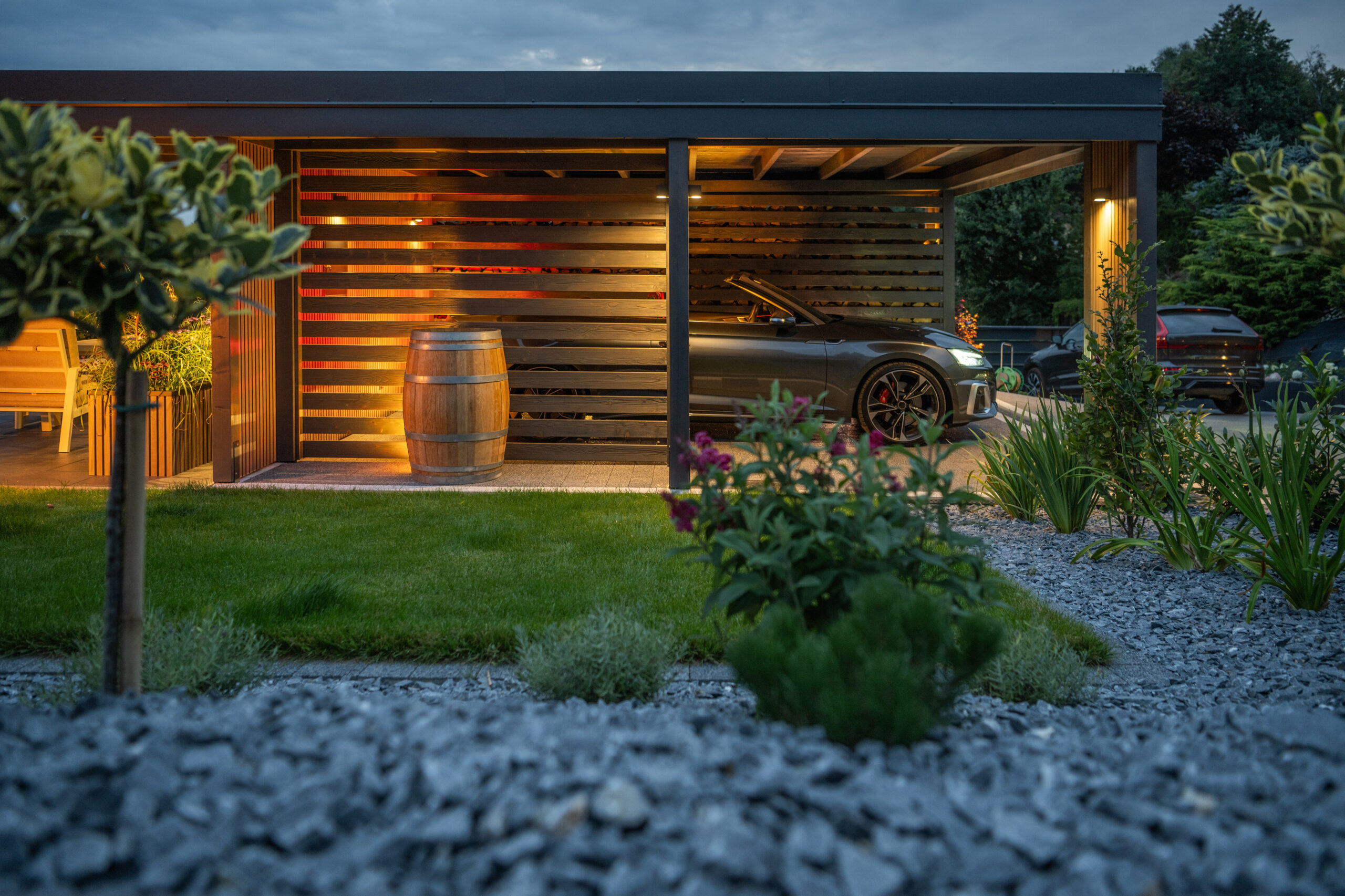
From a young age, I was surrounded by gardens, fruit trees, and herbs on our property in Clifton, New Jersey. Spending time in that environment taught me how plants, soil, and water interact to create a living, breathing space. Over the years, I have worked in nurseries, landscaping, and horticulture, learning the importance of designing outdoor spaces that are not only beautiful but also sustainable. Organic landscaping allows us to create harmonious environments that benefit both people and nature.
Organic landscaping is more than planting flowers and trimming bushes. It is a thoughtful approach that considers soil health, plant selection, water management, and ecosystem balance. When done well, it produces a space that is aesthetically pleasing, environmentally friendly, and low-maintenance over time.
Understanding Your Space
The first step in creating a harmonious outdoor space is observing and understanding your environment. Take note of sunlight patterns, soil conditions, drainage, and wind exposure. Consider the natural features already present, such as trees, rocks, and existing plants. Understanding these elements helps determine the best placement for new plants and structures.
Every space has its own personality, and organic landscaping works with what is already there instead of trying to force unnatural changes. For example, planting drought-tolerant plants in a sunny, dry area reduces the need for supplemental watering. Similarly, choosing shade-loving plants under large trees ensures they thrive without extra effort. Observing your space carefully lays the foundation for a harmonious design.
Choosing Plants Wisely
Plant selection is one of the most important aspects of organic landscaping. Native plants are ideal because they are adapted to the local climate, soil, and wildlife. They require less water and care while supporting pollinators such as bees, butterflies, and birds. Incorporating a mix of perennials, annuals, shrubs, and trees creates diversity and visual interest throughout the seasons.
When selecting plants, consider color, texture, and growth patterns. Grouping plants with similar water and light requirements together makes care easier and promotes healthier growth. Organic landscaping is about balance. By choosing plants that complement each other and the environment, you create spaces that feel natural and inviting.
Nurturing Healthy Soil
Healthy soil is the foundation of any successful landscape. Organic methods focus on building soil fertility through compost, mulch, and natural amendments rather than relying on synthetic chemicals. Compost adds nutrients and improves soil structure, while mulch retains moisture, suppresses weeds, and regulates temperature.
Regularly adding organic matter to the soil encourages beneficial microorganisms, which help plants absorb nutrients and fight diseases. This approach reduces the need for chemical fertilizers and creates a resilient ecosystem. When the soil is healthy, plants grow stronger, and the overall landscape thrives.
Water Management
Water is a precious resource, and organic landscaping emphasizes efficient and responsible use. Designing landscapes that capture rainwater, use drip irrigation, and group plants with similar needs conserves water. Mulching around plants also helps retain moisture and reduce evaporation.
Observing your space for natural drainage patterns ensures that water flows where it is needed and avoids erosion or standing water. Proper water management not only supports plant health but also contributes to a more sustainable and environmentally friendly landscape.
Encouraging Wildlife and Biodiversity
A harmonious outdoor space is not just for people. It is also for wildlife. Birds, bees, butterflies, and other pollinators are attracted to diverse, healthy gardens. Providing food, shelter, and water sources encourages wildlife to visit and adds movement, sound, and life to your landscape.
Native flowers, shrubs, and trees are particularly valuable for supporting local wildlife. Incorporating features such as birdhouses, butterfly gardens, and small ponds can create a balanced ecosystem. When we welcome wildlife, we are reminded that landscaping is not about control but about coexistence and harmony.
Designing for Enjoyment and Function
Organic landscaping should also be functional. Walkways, seating areas, and open spaces make outdoor areas inviting and usable. Consider how you want to enjoy your garden. Do you want a quiet space for reflection, a place to entertain friends, or a family-friendly area for activities? Designing with purpose ensures that your landscape enhances your lifestyle.
Using natural materials such as stone, wood, and gravel blends seamlessly with organic plantings and reinforces the sense of harmony. Thoughtful design balances aesthetics, practicality, and ecological responsibility.
Maintenance and Sustainability
One of the benefits of organic landscaping is that it promotes sustainability and reduces long-term maintenance. By working with nature instead of against it, plants grow stronger, pests are less of a problem, and soil health improves naturally. Regular pruning, mulching, and composting keep the garden thriving without excessive labor or chemicals.
Organic landscaping is about developing a rhythm with the space. Observing seasonal changes, responding to plant needs, and adjusting your care routine over time allows the landscape to evolve gracefully. It becomes a living, breathing environment that reflects both nature and the gardener’s care.
The Reward of Harmony
Creating a harmonious outdoor space through organic landscaping is deeply rewarding. It connects us to nature, enhances well-being, and provides a beautiful environment to enjoy. When plants flourish, wildlife visits, and people gather, the space becomes more than a garden. It becomes a sanctuary, a place to relax, reflect, and celebrate life.
For me, landscaping has always been about more than aesthetics. It is about understanding the balance of nature, nurturing growth, and creating spaces where people and the environment can coexist peacefully. Organic landscaping offers a way to achieve that balance, producing spaces that are beautiful, functional, and sustainable.
By paying attention to soil, water, plants, wildlife, and design, anyone can create an outdoor space that feels natural and harmonious. Whether it is a small garden, a patio, or a larger yard, the principles of organic landscaping can transform any space into a thriving, sustainable environment.
Organic landscaping is a way to honor the land, support life, and enjoy the many benefits of being in a well-designed, vibrant outdoor space. It is a practice that rewards patience, care, and creativity, and it creates lasting beauty for everyone to enjoy.